Proudly serving Huntsville
General Contractor Project Process Huntsville
- Serving the Hampton Cove–Madison corridor
- Itemized, upfront pricing
- No pressure to sign today
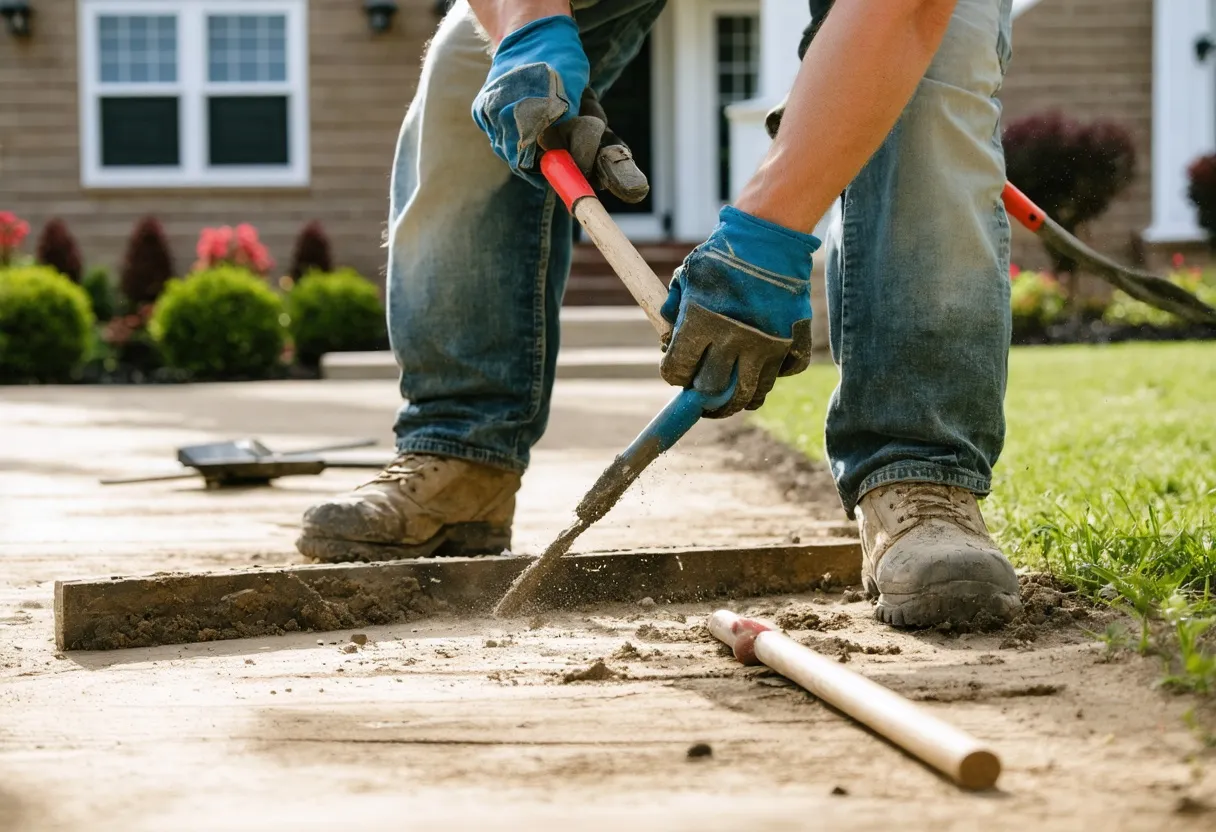
Hiring a general contractor in Huntsville shouldn't feel like a leap of faith. Whether you're gutting a kitchen in Hampton Cove, adding a second story onto a home in Harvest, rebuilding after a storm tore through Owens Cross Roads, or breaking ground on a commercial build near the Research Park, the difference between a smooth project and a stressful one usually comes down to one thing: process. A contractor who can show you exactly how a project moves from first phone call to final walkthrough — with permits pulled correctly, costs explained honestly, and a warranty backing the work — is a contractor worth hiring. This page walks through that entire process in detail, so you know what to expect before you sign anything.
Huntsville's growth corridor has been under sustained construction pressure for years, driven in part by the steady expansion of Redstone Arsenal and the rooftops that follow it into Madison, Harvest, Hampton Cove, and Owens Cross Roads. That growth is good for homeowners in one sense — more contractors, more competition — but it also means more unlicensed operators, more rushed permit shortcuts, and more homeowners who find out too late that their "contractor" was really a subcontractor wearing a general contractor's hat for the day. Understanding the real process protects you from that.
What a General Contractor Actually Manages
A general contractor is the single point of accountability for a construction project. Instead of you hiring and coordinating a plumber, an electrician, a framer, a drywall crew, and a painter separately — and hoping their schedules line up — a general contractor holds the entire project under one contract, one schedule, and one warranty. In the Huntsville market, that scope typically spans several distinct project types, each with its own process nuances.
Kitchen Remodeling
Kitchen remodels are the most requested project type in this market, and they're also the one where scope creep does the most damage to a budget. A properly run kitchen remodel starts with a layout decision — are walls moving, is plumbing relocating, is the electrical panel adequate for new appliances — before a single cabinet is ordered. Cabinet lead times in this region commonly run 6 to 12 weeks depending on the manufacturer, so sequencing matters: demo, rough-in electrical and plumbing, drywall, flooring, then cabinet install, countertop templating, and finish trim. Skipping the sequence is how homeowners end up with a finished floor that gets scratched during cabinet delivery.
Bathroom Remodeling
Bathroom work is smaller in square footage but often more technically demanding per square foot than a kitchen, because it concentrates plumbing, waterproofing, ventilation, and electrical (GFCI-protected circuits, exhaust fans tied to code-required air changes) into a tight space. Waterproofing behind tile — not just the tile itself — is the detail that determines whether a shower lasts 20 years or leaks into a subfloor within three. Any bathroom quote that doesn't specifically mention a waterproofing membrane system is a red flag.
Water, Fire, and Storm Damage Restoration
North Alabama gets its share of severe weather, and homes throughout Huntsville, Madison, Owens Cross Roads, and the surrounding county see real damage from straight-line winds, hail, and the occasional tornado warning that turns into more than a warning. Restoration work is different from a planned remodel in one critical way: speed matters before design does. Water intrusion needs extraction and structural drying within 24 to 48 hours to prevent mold growth; a compromised roof after a storm needs to be tarped the same day. A general contractor equipped for restoration work coordinates directly with insurance adjusters, documents pre-existing conditions versus storm damage with photos, and rebuilds to code — not just back to "how it looked before." Fire damage restoration adds smoke and soot remediation on top of structural rebuild, and often involves coordinating specialty cleaning subcontractors alongside the framing and drywall crews.
New Construction and Home Additions
Additions — a new primary suite, a bump-out for a larger kitchen, a second story over an existing footprint — are structurally closer to new construction than to remodeling, because they involve foundation work, new roof lines that have to tie into existing framing, and full mechanical, electrical, and plumbing extensions. New construction, whether it's a custom home on a lot in Owens Cross Roads or infill construction closer to town, follows a longer and more formal process: site work and grading, foundation, framing, dry-in (roof and windows), rough mechanicals, insulation, drywall, and finish trades, with inspections required at multiple stages along the way.
Commercial Development
Commercial projects — tenant build-outs, ground-up small commercial buildings, medical or office renovations — run on a different clock than residential work. They typically require ADA compliance review, commercial fire and life-safety code compliance (fire sprinkler and alarm coordination), and often a longer permitting cycle because commercial plan review in most Alabama jurisdictions is more involved than residential review. A general contractor with commercial experience will build lead time for that plan review directly into your project timeline instead of promising a start date the permit office can't support.
Design-Build Services
Design-build means the same company manages both the design phase (architectural drawings, structural engineering where needed, material selection) and the construction phase, under one contract. The advantage over a traditional design-bid-build approach is coordination: the people drawing the plans already know what's buildable within your budget, because they're the ones who will build it. It also collapses the timeline, since design and early permitting can overlap instead of running fully sequentially.
The 5-Step Contractor Process
Every project above, regardless of size, should move through the same five stages. This is the structure that separates a documented, accountable process from a handshake-and-hope arrangement.
Step 1: Consultation and Site Assessment
The process starts with a walk-through of the property, not a phone quote. A contractor who prices a kitchen remodel or a storm repair without seeing the space, checking the panel, or assessing structural conditions is guessing — and that guess becomes your change order later. This is also the stage where you should ask directly about licensing, insurance, and how warranty claims are handled; a contractor confident in their credentials will hand you documentation without hesitation.
Step 2: Design and Planning
Once the scope is understood, planning turns into drawings, material selections, and a defined scope of work. For additions and new construction, this is where structural engineering gets involved if load-bearing walls are moving or foundations are being extended. For remodels, this is where cabinet lines, tile, and fixtures get selected — before demo starts, not during it, since mid-project material changes are the single biggest driver of delay.
Step 3: Permitting and Approvals
Permits are not paperwork for paperwork's sake — they're the mechanism that gets your project inspected by a third party at the stages where mistakes are expensive to fix later (rough electrical and plumbing before walls close, footing depth before concrete pours, framing before insulation). A general contractor should handle the permit application, pull the permit under their license, and schedule the required inspections as part of their scope — not leave it to the homeowner to navigate the county or city building department alone. Depending on scope and jurisdiction, permit review can take anywhere from a few days for a straightforward bathroom remodel to several weeks for an addition or commercial build-out, and that timeline should be communicated up front, not discovered mid-project.
Step 4: Construction
This is the build phase, run against the schedule and sequence established in planning. A well-run job site has a single point of contact — usually a project manager or the general contractor themselves — so you're never trying to figure out which subcontractor to call when a question comes up. Regular check-ins, whether that's a weekly walk-through or photo updates, keep you informed without you having to chase the crew for status.
Step 5: Final Walkthrough and Warranty Activation
Before final payment, there should be a documented walkthrough where you and the contractor go through a punch list together — the small touch-ups, paint fixes, and adjustments that always come up on any real construction project. Once that punch list is cleared, the workmanship warranty activates and you should receive written documentation of what it covers and for how long. If a contractor treats the final walkthrough as optional or rushes it, that's a preview of how they'll handle a warranty call eighteen months from now.
Project Planning, Permitting, and Budgeting in Detail
Planning and permitting deserve more depth than a single process step can cover, because this is where most project failures actually originate — not on the job site, but before a single tool touches the property.
Pre-Construction, Budgeting, and Value Engineering
Pre-construction is the work that happens before a contract is signed: verifying the scope is buildable within the target budget, identifying long-lead items (custom cabinetry, specialty windows, structural steel) that need to be ordered early, and running value engineering — the process of finding lower-cost ways to achieve the same functional and aesthetic result. Value engineering isn't about cutting quality; it's about spending the budget where it's visible and durable (kitchen counters, structural work, waterproofing) and economizing where it isn't (closet interiors, secondary bathroom fixtures). A contractor who presents you with options and trade-offs at this stage, rather than a single take-it-or-leave-it number, is doing pre-construction correctly.
Building Permit Help in Huntsville
Permit requirements vary depending on whether your property falls within Huntsville city limits, Madison, or one of the unincorporated areas like Owens Cross Roads or parts of Harvest, which fall under Madison County's jurisdiction rather than a municipal building department. That distinction matters because it changes which office reviews your plans, what the inspection schedule looks like, and in some cases what code edition applies. A general contractor who works across this whole corridor — not just inside one city's limits — should already know which department to file with and what that department typically flags on residential additions, remodels, or new builds. Trying to sort that out yourself as a homeowner, especially mid-project, is a common source of delay.
What Drives the Cost of a Contracting Project
No two projects cost the same, but the variables that move a budget up or down are consistent across kitchen remodels, additions, and storm rebuilds alike:
- Scope of structural change — moving a load-bearing wall, relocating plumbing stacks, or extending a foundation costs significantly more than a cosmetic update within the existing footprint.
- Material selections — cabinet lines, countertop material, flooring, and fixtures can vary by a factor of three or more between builder-grade and high-end options within the same square footage.
- Site and access conditions — a wooded lot in Hampton Cove or a sloped lot in Owens Cross Roads can add grading and foundation cost that a flat lot elsewhere in the corridor wouldn't require.
- Permit and code requirements — older homes being remodeled often need electrical panel upgrades or plumbing brought up to current code as part of the permitted scope, which isn't optional once a permit is pulled.
- Timeline and labor availability — rush schedules and peak season (spring and summer, when storm repair and remodel demand both spike) put upward pressure on pricing across the whole market.
- Insurance scope, for restoration work — the gap between what an insurance adjuster's estimate covers and what the actual rebuild requires is where restoration budgets most often diverge from expectations.
A detailed written estimate should break these categories out individually rather than presenting one lump sum, so you can see exactly where your money is going and where there's room to adjust.
Licensing, Insurance, and BBB Accreditation
Alabama requires a state Home Builders license for residential construction above a certain dollar threshold, and a General Contractor license for commercial work, issued through the Alabama Licensing Board for General Contractors. Ask any contractor bidding your project for their license number directly and verify it — this takes a few minutes and eliminates the risk of hiring someone operating without the credentials the law requires for your project size. General liability insurance and workers' compensation coverage matter just as much: if an uninsured subcontractor is injured on your property, or if work damages your home, you as the homeowner can be left holding that liability if the contractor isn't properly covered.
BBB accreditation is a separate, voluntary layer of accountability on top of licensing — it means a contractor has agreed to the BBB's standards for advertising honesty and complaint resolution, and has a track record you can review before you sign a contract. Between state licensing, insurance documentation, and BBB standing, you have three independent ways to verify a contractor is who they say they are before they're inside your home. For a full breakdown of what documentation to request and how to verify it, see our page on licensing, insurance, and warranty coverage for Huntsville contractors.
Workmanship Warranty: What It Should Actually Cover
A workmanship warranty is a written commitment that if something the contractor built or installed fails due to a defect in labor — not normal wear, not a manufacturer defect in a product, but the actual installation work — the contractor returns and fixes it at no cost within the warranty period. This is distinct from manufacturer warranties on appliances, fixtures, or roofing materials, which are handled separately through the product maker. Before signing any contract, get the warranty terms in writing: what's covered, for how long, and what the process is for filing a claim. A verbal promise of "we stand behind our work" isn't a warranty; a signed document with defined terms is.
Why a Local Huntsville Contractor Matters
A contractor based in and around Huntsville brings something an out-of-town crew can't: direct familiarity with the permitting offices, inspectors, and code variations across this specific corridor. That includes knowing the difference in process between a project inside Huntsville city limits and one in Madison, Owens Cross Roads, or the unincorporated stretches of Harvest, and knowing which subcontractors are reliable and available on a realistic timeline in this labor market rather than a national average. It also means accountability doesn't disappear once the crew packs up — a local contractor with a physical presence in the market has a reputation to protect and a warranty they're positioned to actually honor, because they're still going to be here next year.
Common Mistakes Homeowners Make When Hiring a Contractor
- Choosing on price alone. The lowest bid is often lowest because scope was left out, not because the contractor is more efficient — those gaps surface as change orders later.
- Skipping the permit "to save time." Unpermitted work can complicate a home sale, void insurance claims, and in some cases has to be opened back up and redone to pass a retroactive inspection.
- Not getting the warranty in writing. Verbal assurances aren't enforceable once the crew is gone.
- Making material decisions after demo starts. Undecided selections are the single most common cause of schedule slippage on remodels.
- Not verifying insurance before work begins. Ask for a certificate of insurance directly from the carrier, not just a claim from the contractor.
- Signing a contract without a defined payment schedule tied to milestones. Payment should follow completed, inspected work — not be front-loaded before work starts.
How to Choose the Right General Contractor
Beyond licensing and insurance, look for a contractor who provides a written scope of work with specific materials and allowances listed, a realistic timeline that accounts for permit review and material lead times, and references or a documented project history you can actually check. Ask how change orders are handled before you need one — a contractor with a clear, written change-order process is telling you they've done this enough times to know exactly where projects tend to shift. And ask directly about their five-step process: consultation, design, permitting, construction, and final walkthrough with warranty activation. If they can't describe their own process clearly, that's worth noting before you sign anything.
Frequently Asked Questions
It depends heavily on scope and permitting jurisdiction. A bathroom remodel might run 3 to 5 weeks once materials arrive; a full kitchen remodel typically runs 6 to 10 weeks including cabinet lead time; a home addition or new construction project can run several months once foundation, framing, and multi-stage inspections are factored in. The design and permitting phase before construction starts adds anywhere from a few days to several weeks on top of the build itself.
In most cases, yes — especially if the work involves plumbing relocation, electrical circuit changes, or structural modification. Purely cosmetic work (paint, cabinet fronts, flooring with no subfloor changes) may not require a permit, but anything touching the systems behind the walls generally does. A general contractor should confirm this for your specific jurisdiction and scope rather than leaving it to guesswork.
A general contractor holds the overall contract with you, manages the schedule, pulls permits, and is responsible for the finished result across every trade involved. Subcontractors are the specialized crews — electricians, plumbers, framers, tile setters — who perform specific portions of the work under the general contractor's supervision and license.
Restoration work starts with emergency mitigation — water extraction, structural drying, tarping, or debris removal — that has to happen quickly to prevent further damage, often before the design and material decisions of a typical remodel even come into play. It also involves direct coordination with your insurance adjuster to document damage and align the rebuild scope with the approved claim, which adds a layer of communication a standard remodel doesn't have.
At minimum, it should specify the covered scope of work, the warranty duration, what triggers a valid claim, and the process for requesting a repair. It should be a written document you receive at project completion, separate from any manufacturer warranties on products or fixtures used in the project.
Ask for their state license number and verify it directly with the Alabama Licensing Board for General Contractors, and request a certificate of insurance sent directly from their insurance carrier rather than a document they hand you themselves. A contractor with nothing to hide will provide both without pushback. Our general contracting FAQ page covers additional questions worth asking before you sign a contract.
Start With a Real Project Assessment
Whether you're planning a kitchen remodel in Madison, rebuilding after storm damage in Harvest, or breaking ground on an addition in Hampton Cove, the projects that go smoothly are the ones that start with a clear process, honest budgeting, and documented credentials — not a rushed estimate and a handshake. Visit our Huntsville general contractor homepage to see the full range of services across kitchen and bathroom remodeling, storm and fire restoration, additions, new construction, and commercial development, and reach out for a site assessment before your next project begins. A five-step process, a licensed and insured crew, and a workmanship warranty in writing aren't extras — they're the baseline for a project done right in this market.
Get your free quote
Tell us about the project — pricing comes back in writing, with no pressure attached.
More general contractor services
Ready to talk about your project?
Reach out and get a clear, no-obligation quote.